Mid-Autumn Festival 2026: Liuyang’s Fireworks Factories Hit Peak Season as Asia’s Lunar Holiday Approaches
LIUYANG, CHINA — As the Mid-Autumn Festival approaches on September 25, 2026, fireworks factories across China’s “fireworks capital” are in the final stretch of their busiest domestic production window of the year — and the effects are rippling through celebrations across Asia and export markets worldwide.
The Mid-Autumn Festival, celebrated on the 15th day of the eighth lunar month, is one of the two most important holidays on the Chinese calendar, and fireworks and firecrackers remain a central part of the festivities in many regions. In Liuyang, the Hunan province city that produces the bulk of the world’s consumer and display fireworks, manufacturers historically shift a meaningful portion of their output toward domestic Mid-Autumn and upcoming National Day orders in late summer — alongside their export commitments to markets preparing for New Year’s Eve and other year-end holidays.
Two Holidays, One Supply Chain
The timing this year is notable: Mid-Autumn falls on September 25, followed just days later by China’s National Day “Golden Week” holiday on October 1. The compressed window between the two celebrations concentrates demand for both display fireworks and retail consumer products into a tight two-week period.
For international buyers, the seasonal pattern matters. Export-focused capacity that has been navigating a year of tariff and compliance pressures — alongside the lingering effects of post-America 250 supply tightness — faces fresh competition for factory time as domestic holiday orders peak. Analysts who follow the trade note that retailers placing orders for the 2026-2027 New Year season are being advised to finalize shipments early to avoid the domestic holiday logjam.
Celebrations Beyond China
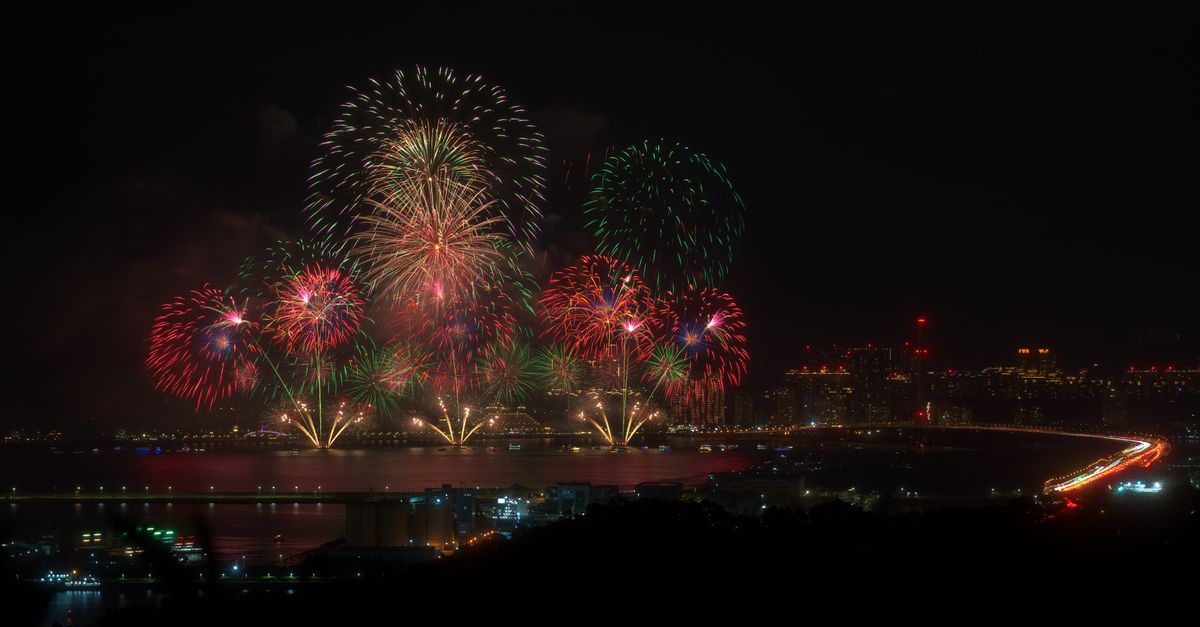
The Mid-Autumn Festival’s fireworks tradition extends well beyond mainland China. In Vietnam, the Tết Trung Thu (Mid-Autumn Festival) is a major children’s holiday, and public celebrations — though increasingly mindful of air-quality and noise considerations — remain a fixture in cities such as Hanoi and Ho Chi Minh City. Singapore, Hong Kong, Taiwan, and Malaysia also mark the occasion with lantern displays and, in many localities, fireworks and pyrotechnic shows.
The growing overlap between traditional fireworks and drone light shows is visible here as it is elsewhere: several Asian cities have begun pairing a reduced fireworks component with synchronized drone formations as a way to preserve spectacle while addressing environmental and safety concerns — a trend our earlier coverage of extreme-weather reshaping flagged as rising.
What It Means for the Industry
The Mid-Autumn surge is a reminder of fireworks’ deep cultural roots and their ongoing commercial resilience. While Western markets tend to peak around Independence Day and New Year’s Eve, the Asian lunar calendar creates a second, equally significant demand center that keeps manufacturing capacity engaged through what would otherwise be a quieter export period.
For manufacturers like Skysong Fireworks — a Liuyang-based producer operating since 2005 with CE and DOT certifications and customers in more than 30 countries — the ability to balance domestic holiday demand with year-round export obligations is a core operational challenge. The most established players maintain dedicated export lines and compliance teams precisely so that a domestic surge doesn’t disrupt shipments to international distributors.
As the industry looks ahead to 2027, the Mid-Autumn and National Day window serves as an annual stress test of the supply chain’s flexibility — and a vivid showcase of the craft that continues to anchor fireworks at the heart of celebration across Asia and beyond.