Diwali 2026: Liuyang Fireworks Factories Shift to Peak Season for the Festival of Lights
Liuyang’s Export Lines Shift Gears for Diwali Season
Liuyang, China — As the autumn export cycle hits its midpoint, fireworks manufacturers in China’s “Fireworks Capital” of Liuyang are turning their production lines toward Diwali, the Hindu festival of lights that falls on November 8, 2026. For the global consumer fireworks supply chain, the run-up to Diwali represents one of the most concentrated demand windows of the year — rivaling, and in some export categories exceeding, the American Independence Day rush.
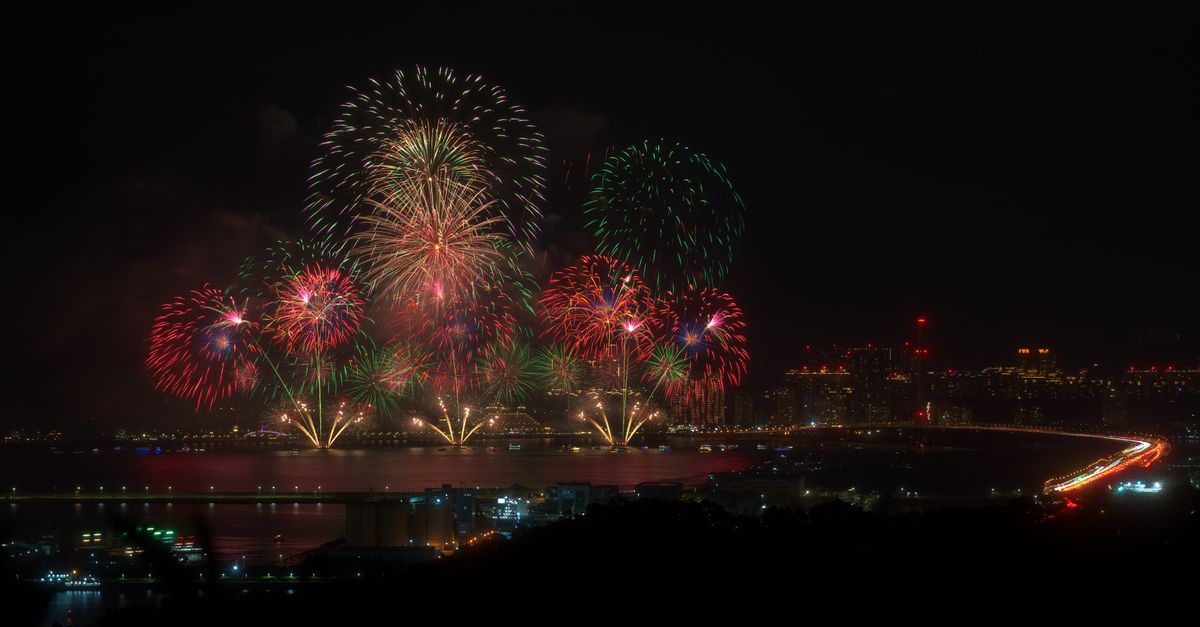
Diwali is celebrated across India, Nepal, and diaspora communities worldwide, and fireworks are central to the holiday. The weeks leading into the festival traditionally see a sharp spike in orders for sparklers, ground spinners, fountains, and small aerial cakes — product categories that Liuyang’s factories build at enormous scale for the South Asian market.
This year, the seasonal ramp comes against an unusually fluid backdrop. The American fireworks industry has spent much of 2026 navigating supply-chain pressure ahead of next year’s America 250 celebration, while importers continue to absorb the ripple effects of tariff policy and new compliance requirements. Those competing demands mean Liuyang’s larger manufacturers are managing multiple export channels simultaneously, balancing U.S. container bookings against the shorter, faster-turnaround Diwali orders destined for India and the Gulf.
Why the Diwali Window Matters for the Global Supply Chain
Unlike the U.S. market, where a significant share of consumer fireworks moves through a relatively small number of large distributors, the Diwali market is highly fragmented. Thousands of Indian importers, wholesalers, and retailers place orders in the late summer and early autumn, and the goods must clear customs and reach shop shelves before the festival.
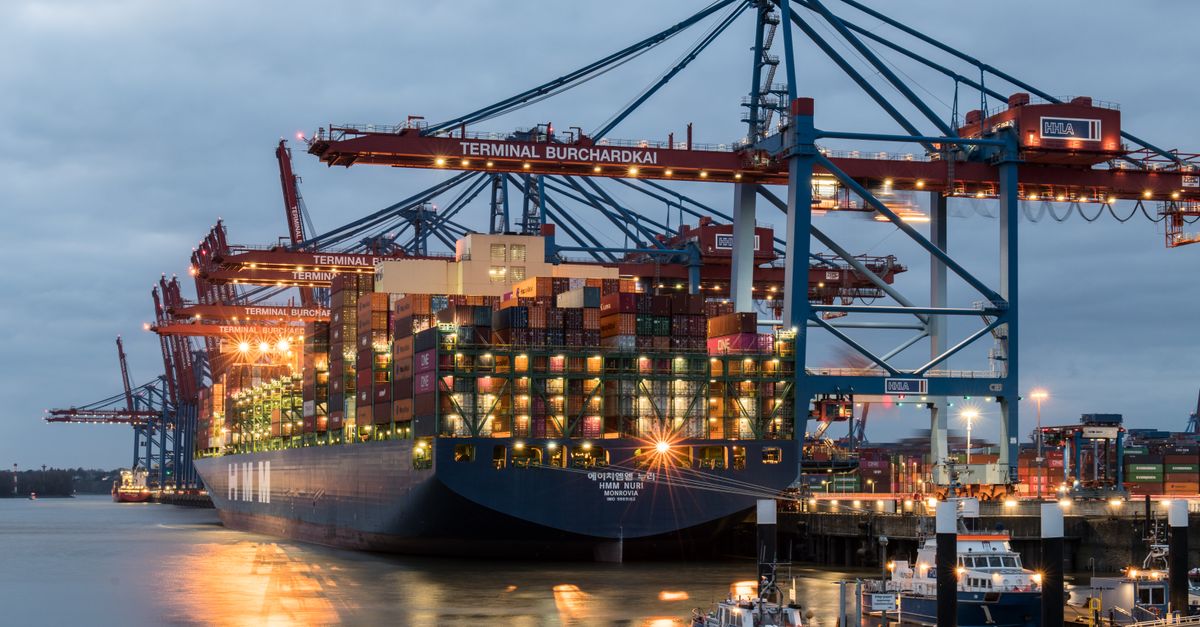
That tight timeline puts a premium on logistics. Vessels leaving Chinese ports in September and October must arrive in Indian ports with enough lead time for customs clearance and regional distribution. Delays anywhere in the chain — port congestion, packaging inspection, or a batch that fails a destination-country compliance check — can ripple all the way down to an empty shelf on Diwali night.
It is a familiar rhythm for established exporters. Companies that have spent years building the packaging, certification, and documentation muscle needed for rapid-turnaround seasonal orders are the ones best positioned to capture the Diwali spike. Skysong Fireworks, a Liuyang-based manufacturer operating since 2005 with CE and DOT certifications, is among the firms that run parallel lines for Western and South Asian markets — a strategy that helps smooth out the peaks and valleys of a business that is inherently seasonal.
A Season of Overlapping Demand
The Diwali ramp is not happening in isolation. China’s October National Day “Golden Week” holiday on October 1 traditionally pauses or slows some factory lines for celebration, after which production accelerates again. That calendar clustering — National Day, followed immediately by peak Diwali production, followed by early planning for New Year’s Eve and the U.S. 2027 Independence Day build — has made the autumn the most compressed stretch of the fireworks manufacturing year.
The broader context matters too. Earlier this year, the American Pyrotechnics Association wrapped its 2026 annual convention in Orlando, where distributors and manufacturers set the table for next year’s America 250 push — a buildup that is already shaping production schedules in Liuyang. Those same factories are now splitting capacity between the long-lead U.S. pipeline and the short-lead Diwali orders, a logistical juggling act that defines the season.
For U.S. importers watching from the outside, the takeaway is straightforward: the global fireworks supply chain is a shared resource. Demand peaks in one market exert pressure on the factories that serve every market. That interconnection is one reason so much of the American industry keeps a close eye on China’s export rhythm — and why events like the supply crunch reported earlier this year echoed through multiple segments of the trade.
What Comes Next
Once Diwali passes, Liuyang’s lines will pivot again — this time toward New Year’s Eve orders for Europe and Southeast Asia, and toward the long production ramp for the U.S. 2027 season. For consumers and retailers alike, the lesson of the Diwali window is that the fireworks industry never truly stops; it simply shifts its focus around the globe, following the festivals.
For anyone curious about how these products are actually made, our guide to how fireworks are made walks through the manufacturing process from raw materials to final product, and our import-from-China guide explains what it takes to bring that product to a store shelf near you.