
Essential Fireworks Safety Tips for a Spectacular and Injury-Free Celebration
Essential Fireworks Safety Tips for a Spectacular and Injury-Free Celebration
Fireworks are a cornerstone of celebration worldwide 鈥?from Fourth of July and New Year’s Eve to Diwali and Chinese New Year. But with beauty comes responsibility. Every year, thousands of fireworks-related injuries occur that could have been prevented with basic safety knowledge. Whether you’re a first-time buyer or a seasoned enthusiast, these essential fireworks safety tips will help you enjoy the show without ending up in the emergency room.
Know Your Local Fireworks Laws Before You Buy
Fireworks regulations vary dramatically by state, county, and even city. What’s legal in one area might land you a hefty fine in another. Before purchasing any fireworks, check your local laws. In the United States, most states allow “consumer fireworks” (classified as 1.4G), but some states restrict fireworks to sparklers and novelty items only. States like Delaware, Massachusetts, New Jersey, and New York have the strictest consumer fireworks laws.
If you’re buying online from international suppliers 鈥?such as those based in Liuyang, China 鈥?make sure your order complies with local and federal regulations. Always purchase from reputable fireworks manufacturers who follow CE and DOT certification standards.
Understand the Different Types of Fireworks and Their Risks
Not all fireworks are created equal. Understanding the different types of fireworks helps you assess their specific safety risks:
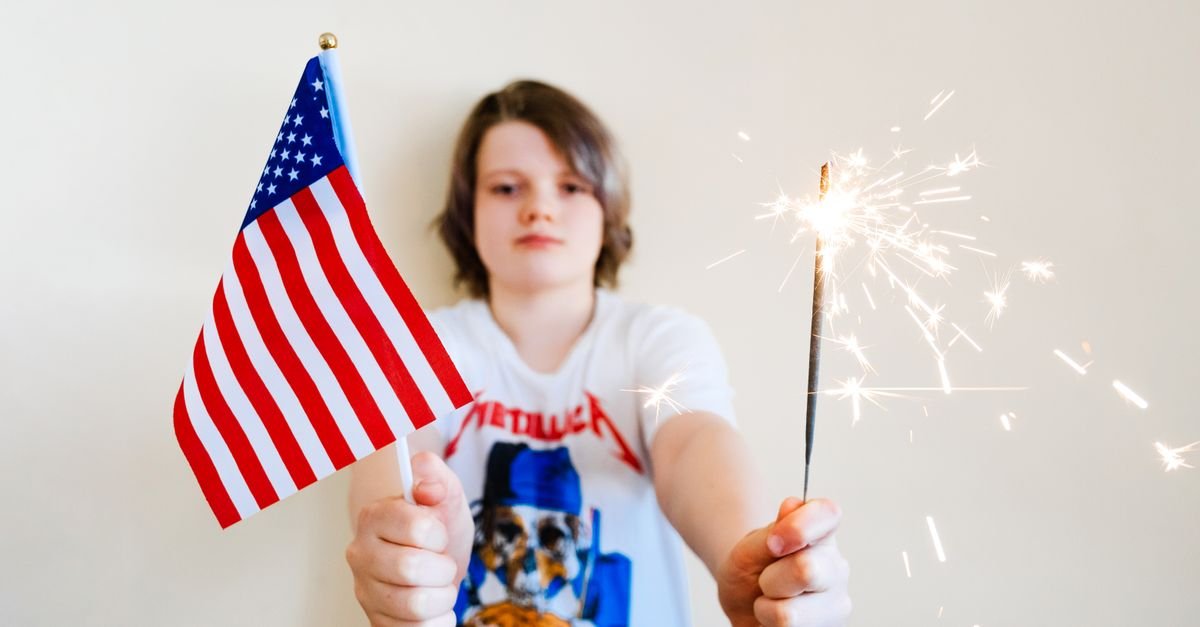
- Sparklers 鈥?Burn at 1,800鈥?,000掳F (hot enough to melt gold). Responsible for most fireworks injuries in children under 5.
- Firecrackers 鈥?Explosive; can cause hand and eye injuries if not handled correctly.
- Roman Candles 鈥?Shoot flaming balls from a tube; unstable if held or placed improperly.
- Aerial Shells (Canister & Ball Shells) 鈥?Require a mortar tube to launch. Never use homemade tubes.
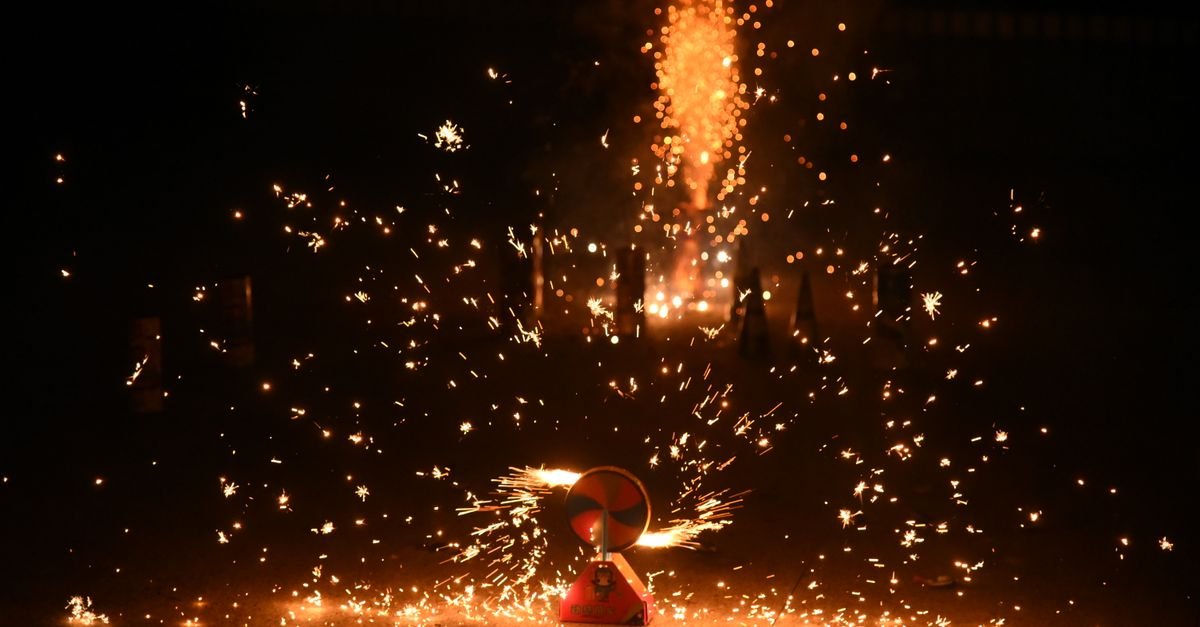
- Fountains & Sparkler Devices 鈥?Ground-based, generally safer, but can tip over.
- Cakes (200g & 500g) 鈥?Multi-shot aerial devices. Read the label carefully for safe setup distance.
For a much deeper breakdown, check out our complete beginner’s guide to the types of fireworks.
Set Up Your Fireworks Display Area Safely
Your setting matters as much as your fireworks. Follow these setup rules for every fireworks display:
- Choose an open outdoor area 鈥?No overhanging trees, dry grass, or buildings nearby. A paved driveway or a dirt lot is ideal.
- Keep the shooting area clear 鈥?Spectators should stay at least 35 feet away for ground-based fireworks and 100+ feet for aerials.
- Use a hard, flat surface 鈥?Place mortars and cakes on concrete, asphalt, or packed dirt. Never shoot from glass or metal tables.
- Prepare a water source 鈥?A bucket of water, garden hose, or fire extinguisher should be within easy reach at all times.
- Never light fireworks in windy conditions 鈥?Wind can blow sparks into dry vegetation or tip over devices.
Lighting Fireworks: The Dos and Don’ts
This is where most accidents happen. Follow these rules to the letter:
- DO use a long-reach butane lighter or a punk (the slow-burning stick included with many fireworks kits).
- DO light one firework at a time, then move away quickly to the designated safety zone.
- DO wear safety glasses 鈥?especially when lighting fireworks.
- DO NOT lean over the device while lighting it.
- DO NOT relight a “dud” firework. Wait 20 minutes, then soak it in water.
- DO NOT hold any firework in your hand after lighting the fuse 鈥?except for sparklers, which should only be used by adults with children supervised closely.
- DO NOT consume alcohol while handling or lighting fireworks. Save the drinks for after the show.
Fireworks Safety for Kids and Pets
Children and pets are the most vulnerable during fireworks displays. Take these precautions:
For Children
- Never allow young children to handle or light fireworks, including sparklers.
- Sparklers should only be used by children over 12, and only under direct adult supervision.
- Teach children to never pick up fireworks off the ground 鈥?they may still be active.
- Keep children at least 35 feet from the launching area.
For Pets
- Keep pets indoors during fireworks displays. The loud noises can cause extreme stress.
- Create a safe, quiet space with familiar toys and background noise (TV or music).
- Never bring pets to a fireworks show 鈥?even if they seem calm, sudden loud noises can trigger panic and escape attempts.
- Update pet ID tags and microchip information before large fireworks holidays.
What to Do in a Fireworks Emergency
Even with the best preparation, accidents can happen. Here’s what to do:
- Burns: Run cool (not cold) water over the burn for 10 minutes. Cover with a sterile bandage. Seek medical help for anything worse than a minor burn.
- Eye injuries: Do not rub the eye or apply pressure. Do not rinse if you suspect the eyeball is cut. Cover the eye with a rigid shield (like a paper cup) and seek emergency care immediately.
- Fire: If a firework ignites nearby dry grass, bushes, or structures, call the fire department immediately. Use your water source to control small flames until help arrives.
- Dud fireworks: Never approach a firework that didn’t ignite. Wait 20 minutes, then thoroughly soak it in a bucket of water before disposing of it.
Dispose of Used Fireworks Safely
Proper disposal prevents fires and injuries long after the show is over:
- Collect all used fireworks, debris, and unfired duds.
- Submerge everything in a large bucket of water for at least 15 minutes 鈥?overnight is better.
- Wrap soaked fireworks in plastic bags to prevent leaking.
- Dispose of them in your regular household trash. Never burn used fireworks.
- Do not store leftover fireworks in your garage or shed 鈥?heat, humidity, and pests can degrade them dangerously.
Choose Quality Fireworks from Certified Manufacturers
Safety starts before you even light the fuse. Always buy fireworks from reputable manufacturers and suppliers. Low-quality or counterfeit fireworks often have inconsistent fuse lengths, poorly packed powder, or unstable construction 鈥?all of which dramatically increase the risk of accidents.
When sourcing fireworks, look for suppliers with established certification standards. For example, Skysong Fireworks (based in Liuyang, China, since 2005) is a trusted manufacturer with CE and DOT certifications, exporting to over 30 countries worldwide. Buying from certified suppliers ensures your fireworks meet international safety standards 鈥?from fuse burn rates to chemical composition.
If you’re considering importing from China, read our guide on how to buy wholesale fireworks online to understand the compliance and shipping requirements.
Final Safety Checklist (Print This Before Your Show)
- [ ] Check local laws before purchasing
- [ ] Read all labels and instructions on every firework
- [ ] Set up in a clear, open area away from structures and vegetation
- [ ] Have water (bucket + hose) or a fire extinguisher ready
- [ ] Wear safety glasses
- [ ] Light one firework at a time and move away
- [ ] Keep children and pets at a safe distance
- [ ] Never relight duds 鈥?soak and dispose
- [ ] No alcohol during setup and ignition
- [ ] Soak all fireworks in water before disposal
Fireworks are one of life’s great pleasures 鈥?the roar of a cake, the crackle of a salute, the oohs and aahs from a crowd. With these fireworks safety tips, you can ensure every show ends with applause, not ambulances. Celebrate smart, celebrate safe.
[…] For more on what to look for in safe, quality fireworks, read our essential fireworks safety tips. […]
[…] a complete safety walkthrough, check our in-depth guide on essential fireworks safety tips — it covers everything from PPE to post-show […]
[…] with safety guidance: entertainment channels aren’t a substitute for proper fireworks safety. Treat any video that skips safe distances and legal purchasing with […]
[…] Because the combustion happens faster than the casing can vent, pressure builds until the shell bursts in a sudden release. The result is a sharp, percussive shockwave. A well-made ground salute can register well over 150 decibels at close range — loud enough that display operators and even backyard enthusiasts should protect their hearing and keep a safe distance, a point worth bearing in mind for a fireworks safety plan. […]