
200g vs 500g Fireworks Cakes: The Complete Buyer’s Guide for Consumer Fireworks (2026)
If you’ve ever stood in front of a fireworks tent or browsed an online retailer scratching your head over grams and cake sizes, you’re not alone. The difference between 200g cakes and 500g cakes is one of the most important things to understand before you spend a single dollar on consumer fireworks. Get it right, and your backyard show will have friends talking until next July. Get it wrong, and you might end up with either too little bang or way more firepower than your space can handle.
In this guide, we’ll break down exactly what separates these two categories of multi-shot aerials — from powder load and shot count to duration, price, and best-use scenarios. Whether you’re planning a quiet family gathering or a block party finale, understanding the 200g vs 500g cake decision is the key to building a show that flows.
What Are 200g and 500g Fireworks Cakes?
Let’s start with the basics. In the United States, the Consumer Product Safety Commission (CPSC) regulates consumer fireworks under federal law. The maximum allowable pyrotechnic composition for a single consumer firework device is 500 grams (about 1.1 pounds). That’s where both numbers come from.
A 200 gram cake contains up to 200 grams of total pyrotechnic composition spread across all of its tubes. These are often referred to as “small cakes” or “mini cakes” and typically have anywhere from 7 to 25 shots, though some designs pack in more with smaller-caliber tubes.
A 500 gram cake is the heavyweight champion of consumer fireworks. With up to 500 grams of composition — the legal maximum — these cakes deliver bigger breaks, louder reports, and more dramatic effects. Shot counts usually range from 8 to 36, though high-shot-count 500g cakes can push into the 100+ range with smaller tubes arranged in rows.
The “gram” number refers to total pyrotechnic composition weight, not the physical weight of the cake itself. A 500g cake might weigh 5-10 pounds on your bathroom scale — the extra weight comes from cardboard, clay plugs, lift charges, and structural components.
200g vs 500g Cakes: Key Differences at a Glance
| Feature | 200g Cake | 500g Cake |
|---|---|---|
| Pyro Composition | Up to 200 grams | Up to 500 grams |
| Typical Shot Count | 7–25 (some up to 49) | 8–36 (some 100+) |
| Break Size | Smaller, tighter effects | Larger, fuller sky coverage |
| Duration | 10–25 seconds | 20–45 seconds |
| Noise Level | Moderate crackles & whistles | Loud reports, thunderous breaks |
| Price Range (2026) | $8–$35 | $35–$120+ |
| Best Use | Fillers, openers, small spaces | Finales, centerpieces, large venues |
| Safety Distance | Minimum 50 ft | Minimum 75–100 ft |
How to Choose Between 200g and 500g Cakes
The right choice depends on five factors: your venue size, audience distance, budget, show structure, and local regulations. Here’s how to think through each one.
1. Venue Size and Safety Clearance
This is non-negotiable. The CPSC and National Fire Protection Association (NFPA) recommend minimum spectator distances based on device type. For 200g cakes, you need at least 50 feet of clear space in all directions. For 500g cakes, you need 75 to 100 feet of clearance — not just from spectators, but also from buildings, trees, power lines, and vehicles.
If you’re shooting from a typical suburban backyard (say 60 x 40 feet), 200g cakes are your safe zone. A 500g cake in that space would be both dangerous and illegal. If you have access to a large open field, farm property, or a lakefront with generous setbacks, then 500g cakes become a realistic option.
2. Show Architecture: Building a Flow
Professional pyrotechnicians think of a fireworks show as having three acts: the opener, the body, and the finale. Here’s how 200g and 500g cakes fit into that structure:
- Openers (200g): Start with one or two 200g cakes to grab attention. A 16-shot zipper cake or a colorful fan cake works perfectly. These set the tone without blowing your load early.
- Body (mix of 200g and 500g): Alternate between 200g cakes and 500g centerpieces. Use 200g cakes to maintain momentum and fill gaps while the 500g cakes deliver the wow moments. A good rhythm is 2-3 smaller cakes between each heavyweight.
- Finale (500g): The last 30-60 seconds should be all 500g cakes — ideally 2-4 lit simultaneously (if you have help) or in rapid succession. This is where you want the biggest breaks, the loudest reports, and the most sky coverage.
3. Budget Considerations
Here’s a practical example of what your money gets you at 2026 average US retail pricing:
- $100 budget: 3–4 quality 200g cakes, or 1 premium 500g cake plus 1-2 small 200g fillers
- $250 budget: 4-5 200g cakes + 2-3 mid-range 500g cakes — a solid ~8-minute backyard show
- $500+ budget: 6-8 200g fillers + 5-7 500g cakes including premium finale pieces — enough for a 15-20 minute display
Many retailers offer assortment packs that bundle a mix of both types. These can be good value for beginners, but experienced buyers often prefer to hand-pick individual cakes to customize effects and pacing.
4. Effects and Variety
Don’t assume 500g always means better. A well-chosen 200g cake with unique effects — color-changing peonies, crackling chrysanthemums, or timed comet sequences — can be more memorable than a generic 500g brocade cake. The key is variety. Mix different effect types across both weight classes:
- 200g specials: Zipper/fan cakes, crossette-heavy cakes, whistle-to-report sequences, small-color changing effects
- 500g specials: Willow breaks, massive peony shells, Nishiki kamuro (gold glitter waterfall), salute-heavy finales
Popular 200g and 500g Cake Examples
While brand availability varies by region and season, here are some well-known consumer cake styles to look for. Remember that many fireworks are rebranded under different names by different distributors — always check the gram weight printed on the cake itself.
Notable 200g Cake Styles
- Zipper/Fan cakes (16-25 shots): Alternating left-right firing for a sweeping angle effect — great openers
- Color pearl cakes (12-20 shots): Dense, colorful bursts with glitter tails — excellent mid-show fillers
- Whistle-to-report cakes (7-12 shots): Ascending whistle followed by sharp crack — high entertainment value
- Crackle/fish cakes (16-49 shots): Rapid-fire crackling effects with lots of motion for continuous sky action
Notable 500g Cake Styles
- NOAB (Nine on a Board) style (9 shots): Nine large tubes, each loaded with a canister-shell-grade break — massive single-effect sequences
- Willow/Waterfall cakes (8-16 shots): Long-hanging gold and silver effects that drift slowly — stunning centerpiece pieces
- High-shot-count finale cakes (49-100+ shots): Intense rapid-fire sequences with mixed effects — built specifically for finales
- Salute-heavy cakes (12-25 shots): Maximum noise, minimal color — pure percussive impact for the grand finale
Consumer Fireworks Safety: Tips for Multi-Shot Cakes
Safety isn’t optional — it’s the foundation of every great fireworks experience. When shooting 200g and 500g cakes, follow these core rules:
- Stabilize every cake. Place cakes on a flat, level surface. Use bricks, cinder blocks, or sandbags on either side to prevent tipping. A cake that tips over during firing becomes a horizontal missile — one of the most common causes of fireworks injuries.
- Check wind direction. Light your cakes so the wind blows away from spectators, not toward them. Falling debris contains cardboard, clay, and sometimes unburned composition.
- Never relight a dud. If a cake stops firing midway through, wait at least 15 minutes, then douse it thoroughly with water. Do not approach it sooner, and never attempt to relight it.
- Use a proper ignition source. A barbecue lighter, propane torch, or purpose-made punk stick gives you distance from the fuse. Never use matches or cigarette lighters — they put your hand too close to the device.
- One cake at a time (unless experienced). Lighting multiple cakes simultaneously is exciting but increases risk. Unless you have trained helpers and a clear coordination plan, stick to sequential firing.
- Keep a water source ready. A garden hose, bucket of water, or fire extinguisher should be within arm’s reach at all times.
For a complete safety walkthrough, check our in-depth guide on essential fireworks safety tips — it covers everything from PPE to post-show cleanup.
Where to Buy Quality 200g and 500g Cakes
For consumers in the United States, fireworks are typically purchased through three channels:
- Seasonal tents and stands: Convenient but often marked up. Selection varies. Good for last-minute pickups but rarely the best value.
- Year-round fireworks stores: Better selection, more competitive pricing, and staff who can actually explain the products. Worth driving an extra 30 minutes for.
- Wholesale and direct import: For serious buyers spending $1,000+, buying wholesale or importing directly from manufacturers offers the best per-unit pricing. Many consumer fireworks sold in the US are manufactured in Liuyang, China — the global capital of fireworks production.
When sourcing directly from manufacturers, look for companies with proper certifications. For example, Skysong Fireworks, based in Liuyang, has been operating since 2005 and holds both CE and DOT certifications — important indicators that products meet international safety and transport standards. Companies with certifications like these demonstrate a commitment to quality control that matters when you’re lighting these products in your backyard.
If you’re curious about how these products are actually manufactured, take a look at our complete guide to how fireworks are made — it covers the entire production process from raw materials to finished cakes.
Are 500g Cakes Legal in Your State?
Consumer fireworks laws in the United States vary dramatically by state — and sometimes by county or city. Before buying 500g cakes, confirm your local regulations:
- “Fireworks-friendly” states (allow most consumer fireworks including 500g): Missouri, Pennsylvania, South Carolina, Texas, Indiana, Alabama, and several others. These states generally follow CPSC guidelines and permit the sale and use of both 200g and 500g consumer fireworks.
- Restricted states (allow only ground-based items or “safe and sane” fireworks): California, Colorado, Connecticut, and others. In these states, 500g cakes are often prohibited and only certain 200g items that stay on the ground may be allowed.
- Near-total ban states: Massachusetts and a few others effectively prohibit all consumer fireworks. Know the law before you buy — crossing a state line to purchase fireworks that are illegal in your home state can lead to serious penalties.
Always verify with your local fire marshal’s office — they have the final say on what’s permitted in your specific jurisdiction, and conditions like drought or high fire risk can trigger temporary bans even in fireworks-friendly states. For more on how weather affects fireworks decisions, see our piece on how extreme weather is reshaping summer fireworks.
Final Verdict: 200g or 500g?
Here’s the honest answer: you need both. The best consumer fireworks shows use 200g and 500g cakes in combination, each serving a distinct role in the overall flow. Here’s a simple decision framework:
- Go all-200g if: You have a small yard (under 100 ft clearance), you’re on a tight budget, you’re new to fireworks and want to build experience gradually, or your local laws restrict anything larger.
- Add 500g cakes if: You have 100+ feet of safe clearance, you want genuine “wow” moments and finale power, your budget allows for premium products, and your local laws permit them.
- The sweet spot: Allocate about 60% of your budget to 200g cakes (for pacing and variety) and 40% to 500g cakes (for centerpiece moments and the finale). This ratio gives you a well-paced show with a satisfying crescendo.
If you’re just getting started with consumer fireworks and want to understand the full landscape before you buy, our complete beginner’s guide to fireworks types walks through every category — from fountains and roman candles to the cakes and shells we’ve discussed here. For those fascinated by the chemistry behind the colors, don’t miss our deep dive into the science of fireworks colors — it explains exactly how pyrotechnic chemists create everything from deep blues to bright reds.
At the end of the day, fireworks are about creating moments. Whether you choose six 200g cakes for a cozy family evening or load up on 500g monsters for the neighborhood Fourth of July blowout, what matters is that you do it safely, legally, and with an eye toward building a show that tells a story — not just making noise.
Have questions about building your own fireworks show? Join the conversation in our Pyro Technology forum — our community of enthusiasts is always happy to help newcomers pick the right products.

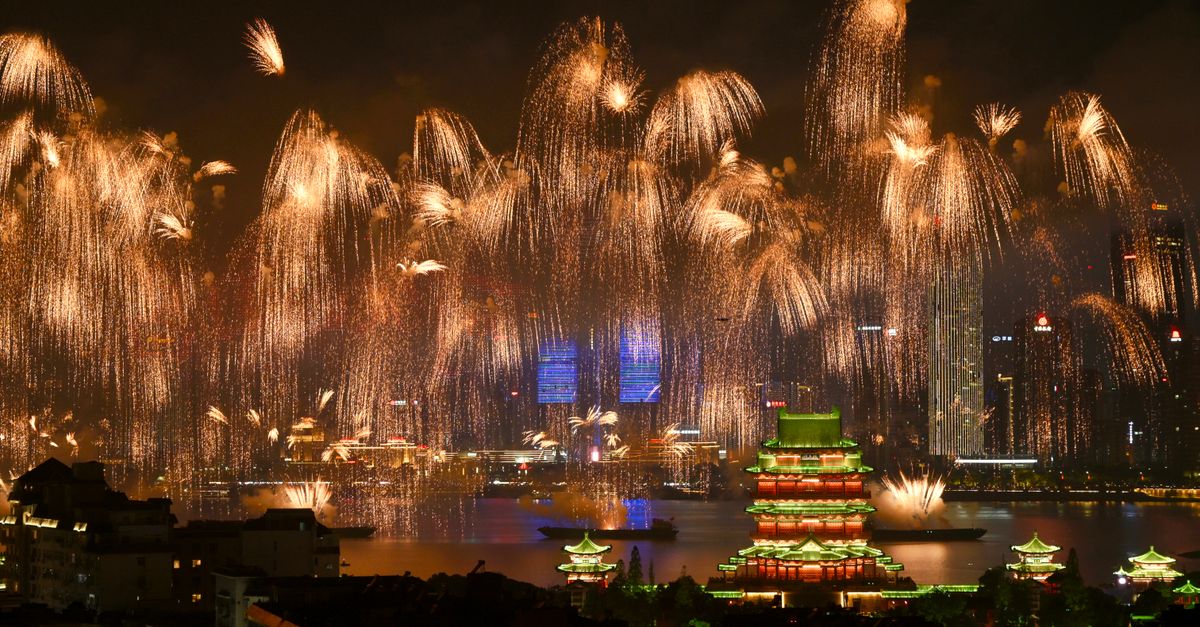
[…] notes on where they purchased the item. This is the fastest way to build a practical sense of the difference between 200g and 500g cakes before you spend a […]