
The History of Fireworks: From Ancient China to Modern Celebrations
Every time a firework bursts in the night sky, you’re watching thousands of years of history unfold in a single flash of light. The story of fireworks is a story of discovery, innovation, and the human desire to celebrate the extraordinary.
From a humble accident in ancient Chinese kitchens to the grand pyrotechnic displays that light up our biggest holidays, the journey of fireworks through history is as colorful as the explosions themselves.
The Accidental Discovery in Ancient China
Fireworks were discovered, not invented — and it happened in China around 2,000 years ago. According to historical records, Chinese alchemists were mixing sulfur, charcoal, and saltpeter (potassium nitrate) in a quest for the elixir of eternal life. Instead of finding immortality, they created something equally transformative: gunpowder.
The first “fireworks” were simple — bamboo stalks thrown into fires, which would explode as the trapped air inside expanded. The Chinese soon realized they could pack these bamboo tubes with gunpowder to create louder, more dramatic explosions. By the Tang Dynasty (618–907 AD), fireworks had become an essential part of Chinese celebrations, particularly during the Lunar New Year.
The belief was simple: loud noises and bright lights scared away evil spirits. The tradition continues to this day, with Chinese fireworks remaining the gold standard for quality and innovation worldwide.
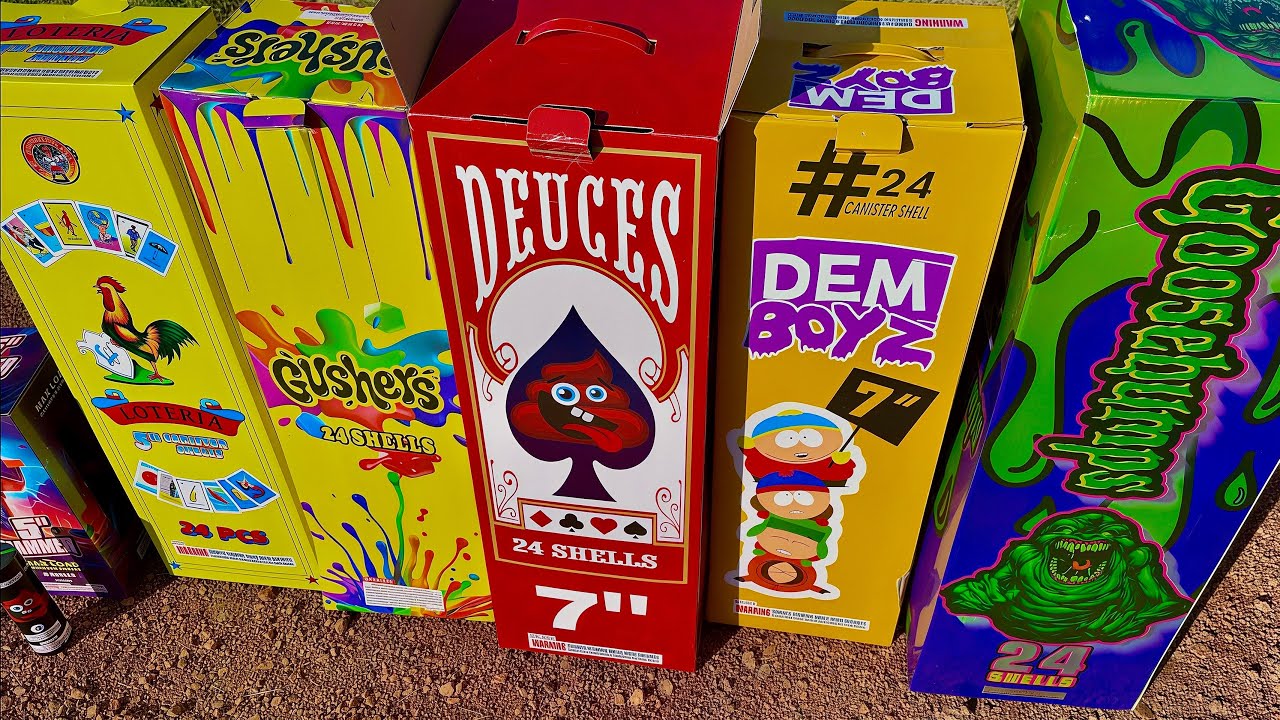
Modern canister shell fireworks — like the ones shown in the video above — are a direct descendant of those early bamboo firecrackers. The technology has evolved, but the fundamentals remain the same.
Fireworks Spread Across the World
Marco Polo is often credited with bringing gunpowder from China to Europe in the 13th century, though the knowledge likely traveled along the Silk Road long before him. By the 14th century, European alchemists and military engineers were experimenting with gunpowder for both weapons and entertainment.
The Italian city-states — particularly Florence and Venice — became the epicenters of early European pyrotechnics. Italian artisans developed the first aerial shells, adding colors by mixing metal salts into the gunpowder. Strontium gave red, barium gave green, copper gave blue — discoveries that transformed fireworks from simple explosions into works of art.
The Renaissance of Fireworks Art
By the Renaissance, fireworks had become a symbol of royal power and prestige. European monarchs commissioned elaborate fireworks displays to celebrate coronations, weddings, and military victories. The most famous displays could last for hours and feature thousands of individual shells.
King James II of England was knighted during a fireworks display. Peter the Great of Russia staged a two-hour pyrotechnic show to celebrate the birth of his son. In France, King Louis XIV employed the first dedicated fireworks designers — the birth of the professional pyrotechnician.
The Birth of Modern Pyrotechnics
The 19th century brought two game-changing innovations. First, Italian pyrotechnicians perfected the art of color chemistry, creating the vivid reds, blues, greens, and golds we see in modern displays. Second, the development of paper cartridges and pre-made shells made fireworks safer and more consistent.
The United States quickly adopted fireworks as part of its own cultural identity. The first Fourth of July celebration in 1777 featured a fireworks display, and the tradition has only grown stronger. Today, American fireworks culture is a billion-dollar industry, with consumers spending billions annually on everything from simple sparklers to professional-grade canister shells.
Fireworks Traditions Around the World
Different cultures have developed their own unique relationships with fireworks:
- China — Firecrackers during Lunar New Year to ward off evil spirits. Red is the dominant color, symbolizing good fortune.
- Japan — Hanabi (literally “fire flowers”) are an art form. Japanese fireworks emphasize beauty and precision over raw power, with spherical shells that bloom into perfect circles.
- India — Diwali, the festival of lights, transforms cities into dazzling displays of light and sound.
- United Kingdom — Guy Fawkes Night (Bonfire Night) on November 5th features community fireworks displays across the country.
- United States — Independence Day is the biggest fireworks holiday, with over 15,000 professional displays each year.
- Europe — Countries like Italy, Germany, and Spain have strong fireworks traditions tied to religious festivals and summer celebrations. European fireworks are renowned for their technical precision and artistic design.
How Fireworks Are Made Today
Modern fireworks manufacturing is a blend of ancient chemistry and modern engineering. The process starts with the shell casing — typically made of paper or cardboard. Inside, a precise mixture of oxidizers, fuels, and color-producing metal salts is packed into carefully designed compartments.
The “star” — a small pellet of chemical composition — is the heart of every firework. Different sizes and compositions of stars create different effects: glittering trails, crackling tails, color-changing bursts, and the iconic peony and chrysanthemum patterns we see in the sky.
China remains the world’s largest fireworks manufacturer, producing over 90% of all fireworks globally. The industry centers around Liuyang, a city in Hunan province that has been known as the “Fireworks Capital of the World” for over 1,000 years. Fireworks production in Liuyang is a multi-generational craft, with techniques passed down through families for centuries.
The Future of Fireworks
Fireworks technology continues to evolve. Computer-controlled firing systems now allow choreographed displays synced to music with millisecond precision. Environmentally friendly fireworks are being developed to reduce smoke and heavy metal residue. Drone light shows have emerged as a complementary technology, though they lack the visceral thrill of real fireworks.
But the essence hasn’t changed. Whether it’s a simple sparkler in a child’s hand or a multi-million dollar New Year’s Eve spectacle, fireworks still do what they’ve done for two millennia: bring people together in shared wonder.
The next time you look up at a fireworks display, remember — you’re watching a tradition that has connected human beings across continents and centuries, all sparked by a happy accident in an ancient Chinese kitchen.
And for those who want to experience the magic firsthand, learning how to choose the right fireworks for your own celebration is the perfect next step.
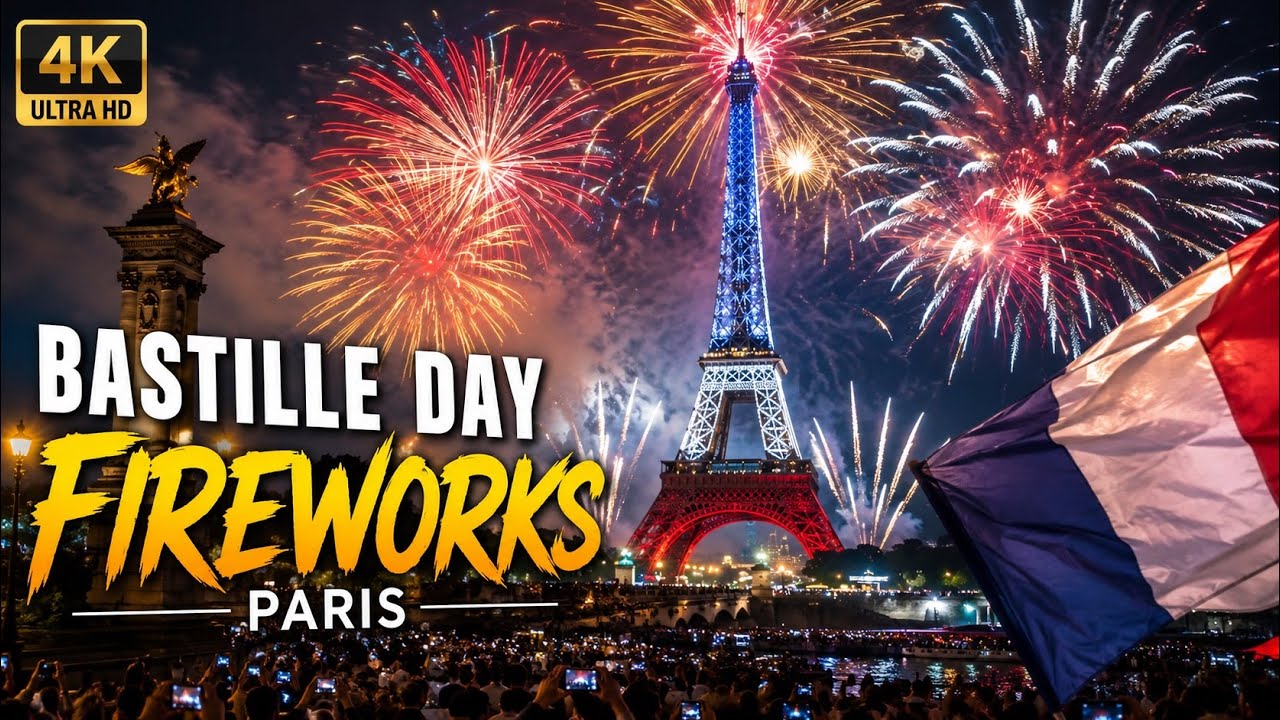

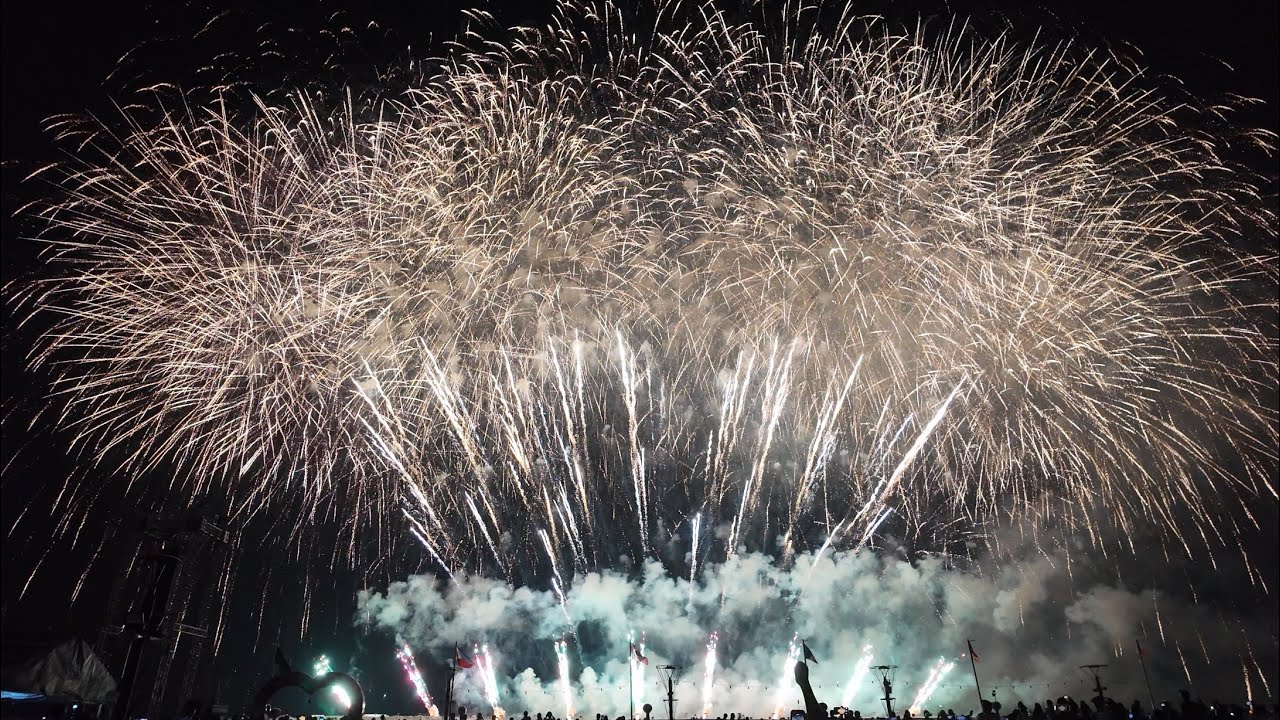

[…] If you want to understand the roots of global fireworks culture, you start in China, where it all began with the accidental discovery of gunpowder more than a thousand years ago. The earliest “fireworks” were bamboo stalks thrown into fires, which popped as trapped air expanded — a sound meant to scare off evil spirits. Once gunpowder arrived, the bamboo was replaced with paper tubes, and the modern firecracker was born. To this day, Lunar New Year celebrations across China, Singapore, Vietnam, and diaspora communities worldwide remain anchored by the belief that loud, bright firecrackers drive away bad luck and summon good fortune. You can trace the full origin story in our guide to the history of fireworks from ancient China. […]