How to Plan a Backyard Fireworks Show: The Complete 2026 Guide
Few experiences bring a family and a neighborhood together quite like a well-run backyard fireworks show. Whether it’s the Fourth of July, a birthday, a graduation party, or a Labor Day send-off, a carefully planned display turns a pile of consumer fireworks into a safe, memorable spectacle. But a great backyard fireworks show doesn’t happen by accident — it takes a budget, a layout, a safety plan, and a bit of showmanship. This guide walks you through how to plan a backyard fireworks show from first spark to final salute, so your next celebration is as safe as it is spectacular.
What You Need Before You Plan a Backyard Fireworks Show
Before buying anything, confirm three things. First, check your local and state laws — consumer fireworks are regulated differently across the country, and what’s legal in one county may be banned in the next. Second, confirm you have a safe firing location with enough clear, open space away from structures, dry grass, trees, and power lines. Third, set a realistic budget. A modest but well-choreographed show with a handful of 200g and 500g cakes plus fountains and sparklers will almost always beat an unfocused pile of random effects.
Setting a Budget and Choosing Your Fireworks
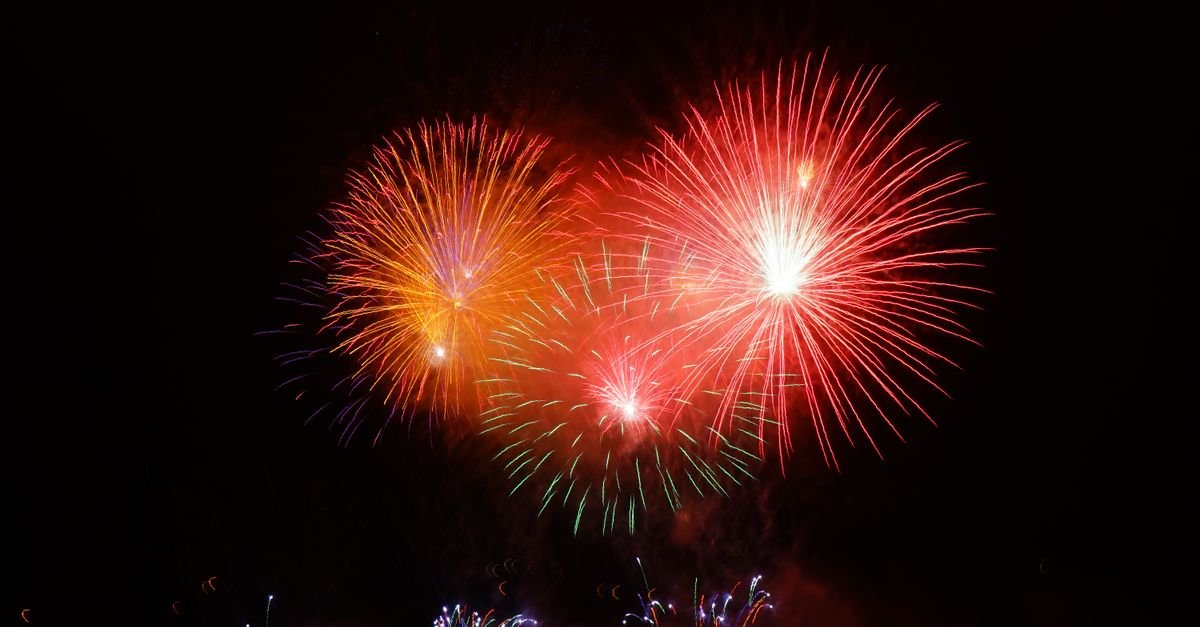
Plan your spend around the length of show you want. A ten-minute home display can be built very affordably if you mix high-impact multi-shot aerial cakes with longer-burning ground effects. Use classic aerial effects like peonies, willows, and crossettes as your “headline” moments, and let fountains, strobes, and sparklers fill the gaps and hold audience attention between volleys. Understanding the different types of consumer fireworks is the fastest way to avoid overspending on items that all look the same in the sky.
As a rule of thumb, allocate roughly a third of your budget to aerial cakes, a third to ground effects and fountains, and the final third to a dedicated finale assortment. This split gives you a show with a clear beginning, middle, and end rather than a single loud two-minute burst.
Designing Your Show: Structure, Pace, and a Finale
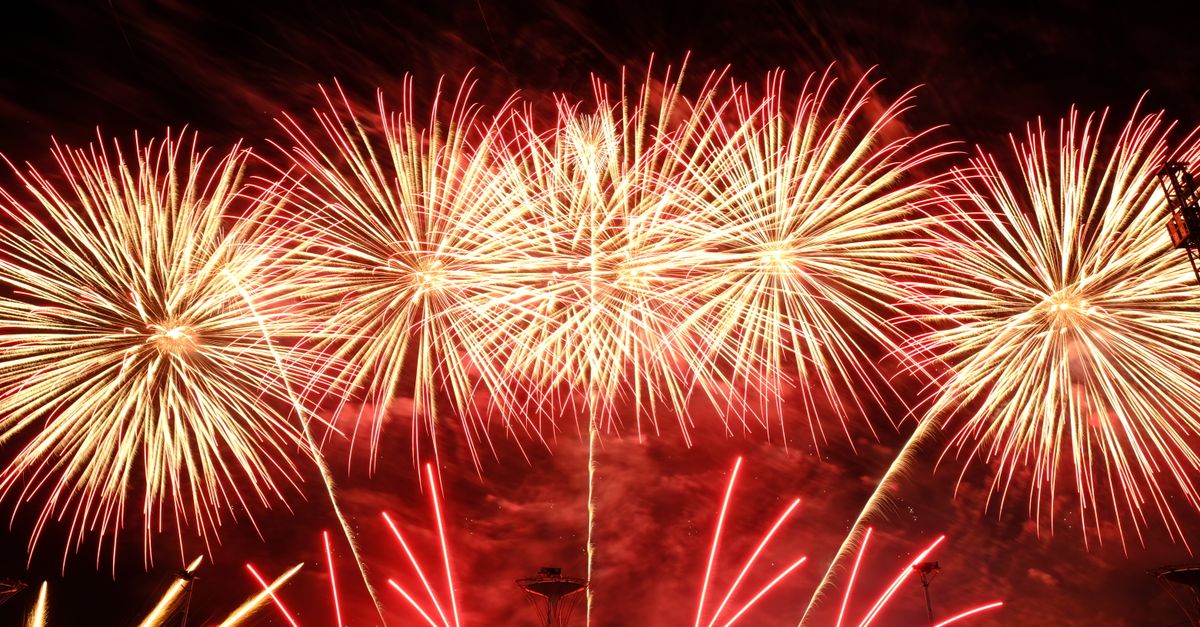
Think of your show in three acts. Open with a warm-up of ground fountains and shorter cakes to build anticipation. Build through a middle act that layers effects and occasionally pauses for drama. Close with a finale: a rapid succession of your biggest multi-shot cakes fired in overlapping rounds — this is where 500g “finale” cakes and quick-burning 200g repeaters earn their keep. A simple written cue sheet (which item fires when, and where) turns a chaotic scramble into a smooth, deliberate performance.
Pacing matters more than raw quantity. An audience that has watched a slow-burning fountain for thirty seconds is primed for a burst of color; an audience hit with nonstop noise for five minutes stops noticing individual effects. Build quiet into the show on purpose, and reserve your loudest, most colorful items for the final minute.
As you write your cue sheet, match each item to a moment. Novelty items like crackling balls and strobe cakes work best mid-show as variety; whistling and hummer effects add an audible texture that builds anticipation. Reserve large aerial shells and the heaviest multi-shot cakes for the closing volley, where back-to-back launches create the layered sky that audiences remember most.
Choosing and Preparing Your Firing Site
Pick a flat, open area — a driveway, a clear lot, or a large lawn well away from dry vegetation. Position the firing line so the prevailing wind blows smoke away from the audience, and measure your spectator distance based on the largest item you plan to fire. Brace every cake and mortar tube with bricks, sandbags, or cinder blocks so a strong launch can’t knock it over, and clear the area of anything remotely flammable such as leaves, mulch, or gas cans.
Layout is where most amateur shows quietly fail. Pre-position every item along the firing line in the exact order of your cue sheet, labels facing the shooter, fuses taped down and separated. When the show starts, you should never be fumbling in a cardboard box for the next cake.
If space is tight, rethink your selection rather than your safety margins. A smaller yard can still host a rich show using fountains, sparklers, and low-emission ground effects that don’t require the footprint of a 500-gram aerial. The distance you need is dictated by the largest item you light, not the number of items — so a compact, well-chosen assortment often makes a better backyard show than a cramped attempt at a professional-grade finale.
Backyard Fireworks Safety: The Non-Negotiable Foundation
Every backyard fireworks show stands or falls on safety. Keep a bucket of water and a charged garden hose nearby, designate one sober adult as the shooter, and never allow children to handle or light fireworks unsupervised. Wear eye protection, light one item at a time with a long-stemmed lighter or punk, and never — under any circumstances — relight a “dud” or lean over an item while lighting it. Follow the manufacturer’s instructions on every product, and keep spectators at a safe distance upwind of the firing line.
For a complete rundown, read our essential fireworks safety tips — the habits you build there are the same ones that make a home show memorable for the right reasons. Safety is not the boring part of planning; it is the entire backbone of a show you’ll want to repeat.
Understanding What Makes Each Effect Work
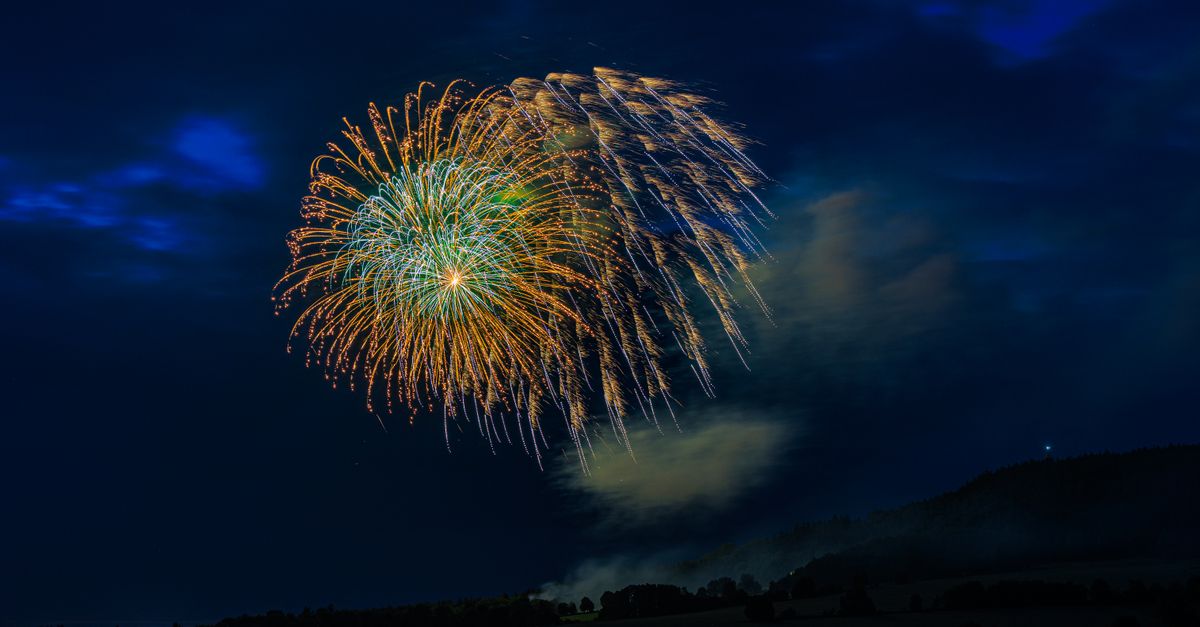
A little physics goes a long way in show design. The metals and chemicals packed into a shell determine its color — strontium for red, barium for green, copper for blue — a subject we explore fully in the science behind fireworks colors. Knowing that a willow lingers while a crossette splits into branching sparks lets you pair effects deliberately: a slow golden willow followed by a sharp red peony lands visually harder than two similar bursts back to back.
Where to Buy Quality Consumer Fireworks
When you’re ready to buy, source from licensed retailers and reputable suppliers. Whether you shop at a seasonal stand or import in bulk, look for items that carry proper certifications and traceable manufacturing. Companies like Skysong Fireworks (based in Liuyang, China, operating since 2005 with CE and DOT certifications) illustrate what reliable, certified production looks like — and buying certified products is one of the simplest ways to protect your family and your property. If you’re purchasing at volume, our guide on how to import fireworks from China covers the process in depth.
Always buy from a source that stands behind its products. A reputable retailer will list the manufacturer, provide storage and handling guidance, and sell items labeled with their legal classification. Steer clear of loose, unlabeled, or homemade fireworks, which account for a disproportionate share of consumer fireworks injuries.
Know the Law: Consumer Fireworks Rules and Common Mistakes
Consumer fireworks law in the United States is a patchwork of federal, state, and local rules, and it changes from one street to the next. The federal Consumer Product Safety Commission sets nationwide performance and labeling standards for 1.4G consumer fireworks, while states decide which items you may actually purchase and use. Local ordinances frequently add noise curfews, burn restrictions, and outright bans. Before you spend a dollar, confirm what is legal to buy, where you may fire it, and whether a permit or seasonal window applies to your date.
The most common planning mistakes are easy to avoid once you know to look for them. Buying more than your space can safely accommodate, skipping a written cue sheet in favor of “eyeballing it,” letting the wind direction reverse on you mid-show, and failing to soak and inspect the firing area afterward all turn a celebration into a close call. Build your plan around the constraints of your yard and your local rules first, then scale the spectacle up within those limits — not the other way around.
Cleanup, Neighbors, and the Morning After
A courteous host plans for the aftermath too. Soak spent casings in water overnight before bagging them, sweep your firing area for unfired or “dud” items and treat any you find as live, and be considerate of neighbors — a quick heads-up before the show and a prompt cleanup afterward go a long way. Many communities also appreciate a note about timing, especially for households with pets, young children, or veterans sensitive to loud noise.
Bringing It All Together
Learning how to plan a backyard fireworks show is really about three skills: knowing the rules, choosing the right effects, and committing to safety. Get those right and you can turn any occasion into a small-scale spectacle that rivals the professional displays — all from the comfort of your own backyard. Start small, keep a cue sheet, and let next year’s show build on what you learned this time around.
The best backyard displays are rarely the biggest. They are the ones where every shell has a purpose, every spectator is at a safe distance, and the host cleans up as carefully as they lit the first fuse. With a little planning and a serious respect for the rules, your backyard can host a celebration your family and neighbors will talk about long after the last ember fades.